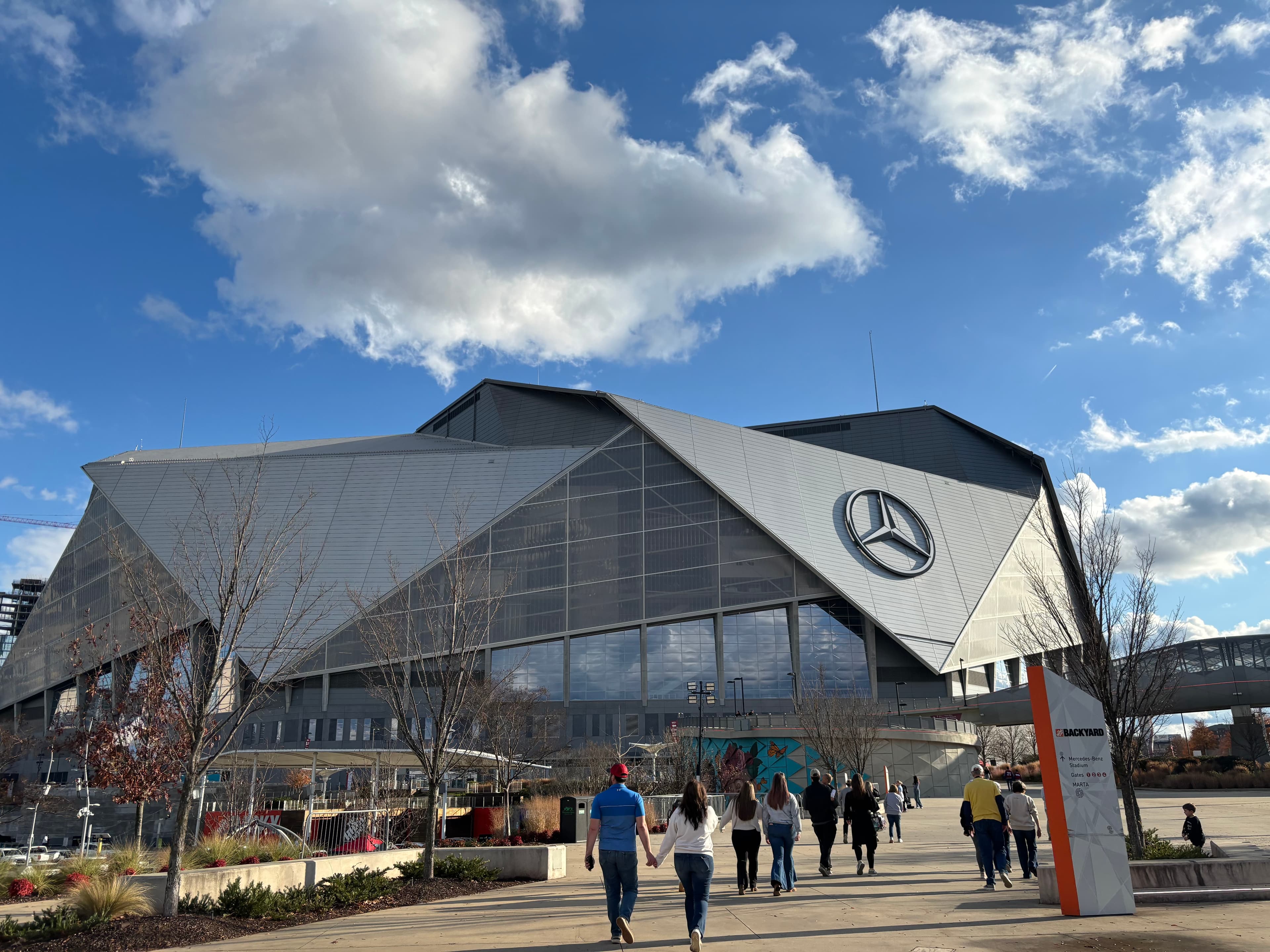
 Photo by BullDawg2021, CC BY 4.0, via Wikimedia Commons
Simone Edgewood: The Grass Remembers What the Concrete Forgot
Kentucky bluegrass is growing inside a stadium that never knew real earth. The roof can't hide its own name. And a World Cup debutant is moving into the backyard of a team that just buried its last hope.
You can smell it if you stand close enough.
Not the popcorn-and-recycled-air smell that Mercedes-Benz Stadium has pumped through its concourses for seven years. Something else. Something green and alive and slightly damp, like a backyard after a storm, like the earth decided to show up uninvited to a building that never asked for it.
Kentucky bluegrass mixed with perennial ryegrass. Crews ripped out about a foot of asphalt, hauled in sand and rock, and laid sod over ground that has never known anything but synthetic. A SubAir system vacuums excess moisture thirty-six times faster than gravity. Twenty-seven different irrigation zones. UV lights rotating on a schedule, twelve hours a day, coaxing growth from a field that didn't exist three months ago.
The building has a new name, too. Atlanta Stadium. The $324 million Mercedes-Benz deal is suspended for the duration of the tournament, every logo covered or removed, per FIFA's clean-stadium rules. Every logo except one. The three-pointed star on the retractable roof stays. The eight ETFE panels that open and close like a camera aperture in under eight minutes are too structurally delicate to cover. So the most recognizable corporate symbol on the Atlanta skyline will hover over a FIFA Semi-Final in July because the engineering that makes the building extraordinary is the same engineering that makes the brand impossible to hide.
There's something honest about that. The identity you can't take down because it's woven into the architecture.
Twenty-four days.
I wrote three weeks ago that Atlanta built a house and dared the world to walk in. That was the preview. The cultural programming announced, the ATL Culture House still a press release, the grass still a plan. That piece was about the invitation.
This is about the arrival.
The grass is in the ground. It gets mowed daily at twenty-seven millimeters and will be trimmed to twenty-three before Spain plays Cabo Verde on June 15. The CTR — the former CNN Center, the building where America watched its news for decades — physically reopened on May 21. The Culture House is real space now, twenty-three thousand square feet of it on the eighth floor, with programming from the Atlanta Opera, the Atlanta Symphony, Jaylen Brown's 741 brand, and artists from Haiti, Spain, South Africa, and Mexico. The city that creates culture is about to prove it in front of the planet.
And Centennial Olympic Park — the same ground that was built for the 1996 Olympics, the park that became the physical legacy of the last time Atlanta welcomed the entire world — becomes the FIFA Fan Festival site on June 11. Fifteen thousand people a day, rolling capacity. Fifty-foot jumbotron. Free admission.
Thirty years apart. Same ground. Different century. Same ambition.
In 1996, more than two million visitors came to Atlanta for the Summer Games. An estimated 3.5 billion people watched on television. The Games generated over five billion dollars in economic impact and the city was never the same afterward. Centennial Olympic Park led a downtown revitalization that is still unfolding. The park wasn't just an amenity. It was a statement: we belong on this stage, and we built the proof.
Now the same grass — well, new grass on the same dirt — will hold the next chapter. The Metro Atlanta Chamber projects $503 million in economic impact from out-of-state visitor spending alone. More than 520,000 spectators across eight matches, from group stage through a Semi-Final on July 15. Atlanta is one of only two cities in this entire tournament hosting a Semi-Final. The other is Dallas.
But numbers are the easy part. What matters is what the city does with the stage.
Here's the thing about global sporting events that most cities get wrong: they prepare for the spectacle and forget to prepare for the conversation.
Atlanta is not making that mistake.
bamX — Black Music Week — launches May 25, three weeks before Atlanta's first whistle. It's the inaugural edition, a revival of the Jack the Rapper Remix Conference, a new Black Music and Entertainment Walk of Fame induction. There's an HBCU thread running through the entire month: T.I. with the Clark Atlanta Mighty Marching Panthers and Morehouse House of Funk at HBCU Night, an HBCU Futbol, Not Football festival at Morehouse's B.T. Harvey Stadium. Ciara is FIFA's brand ambassador for the Atlanta host city, curating a World Cup playlist that leads with "Level Up" — and if you know the city, you know that's not a random selection. It's a posture.
Mayor Dickens said something that stuck with me: people may come for the games, but they'll come back to experience more of what Atlanta has to offer. That's the bet. Not that the matches will be good — Spain and Morocco in group play, a knockout round, a Semi-Final, the matches will be extraordinary — but that the city around the matches is the thing that lingers. That's always been Atlanta's thesis about itself. The culture outlasts the event.
And then there is the quiet irony that nobody's whispering about loudly enough.
Uzbekistan arrives June 10. The White Wolves, making their World Cup debut under Fabio Cannavaro — a man who won the World Cup and the Ballon d'Or in the same year — will set up their base camp at the Children's Healthcare of Atlanta Training Ground. That's Atlanta United's facility. Thirty-three acres, six full-length fields, a $25 million expansion completed just last September. A world-class training complex built for an MLS club that currently sits fourteenth in the Eastern Conference with a 3-8-2 record.
Atlanta United's last home match was May 9 — a 1-2 loss to the LA Galaxy. They won't play at home again until August 15. Three months displaced. Six consecutive road matches stretching into the summer. Tito laid out the exile narrative two weeks ago — the Open Cup as the last meaningful lifeline. Then Dex buried it on May 19 after a 4-1 loss to Orlando that ended whatever was left to hold onto.
So the building where United trains will house a nation that's never played a World Cup match, managed by a legend, while the club that built the facility and the stadium and the culture that made Atlanta a credible host city watches from the road. That's not poetic. That's just what happens when a city outgrows its team's current capacity to match the moment.
The training ground was described as causing "minimal disruption" to club operations. That phrase does a lot of lifting.
There's a detail from this World Cup that hasn't gotten nearly enough attention, and it's the one I keep coming back to.
This is the first-ever sensory-inclusive World Cup. Every host stadium — all sixteen, across three countries — features dedicated sensory rooms. FIFA partnered with Hisense and KultureCity to install them. At Atlanta Stadium, there's a mobile sensory room for fans with autism, PTSD, dementia, and anxiety. Free match tickets are available for families with sensory needs.
Let that settle for a second. The biggest sporting event on Earth — a tournament that will draw billions of viewers, that will turn downtown Atlanta into an international gathering for five weeks — is asking, for the first time, who gets to be part of the celebration. Not just who can afford tickets. Not just who can navigate the crowds. But who has historically been excluded from the experience of being in the room when something enormous happens, and how do you build a door for them.
That's an Atlanta question if I've ever heard one. A city that has spent its entire modern history negotiating who belongs where, whose culture counts, which neighborhoods get the investment. The World Cup didn't have to do this. FIFA didn't have to make sensory inclusion a tournament-wide standard. But they did, and the fact that it's happening inside a building that's hosting its first-ever natural grass, under a roof that can't hide its own name, in a city that just buried its soccer team's last hope — there's a layering there that feels almost scripted.
It isn't. It's just Atlanta.
Eight matches. Spain. Morocco. South Africa. Czechia. DR Congo. Uzbekistan. Two knockout rounds and a Semi-Final. The grass will be cut to FIFA standard. The roof will open. The park that the Olympics built will fill with fifteen thousand people a day watching on a screen the size of a building.
And the city that spent thirty years metabolizing the last time the world showed up is about to find out whether it remembers how to do this. I don't think remembering is the problem. I think Atlanta has been rehearsing since 1996 — every Super Bowl, every All-Star Game, every College Football Playoff, every time the city has opened its doors and said come see.
The difference is that this time, the city isn't just opening doors. It built a culture house. It commissioned a playlist. It revived a music conference. It invited an opera and a fashion installation and a marching band and a World Cup debutant managed by a Ballon d'Or winner to set up camp in the backyard. It ripped the asphalt out of a stadium that never needed grass and planted roots anyway.
The ground remembers. Even when the concrete has been there so long you forget there was ever dirt underneath.
Twenty-four days.
Soundtrack: "Arrival" by ABBA. Because sometimes the song says exactly what it means.
The Tilt
Atlanta didn't just prepare for the World Cup. It built a culture house and planted grass in a stadium that never needed it.
— Simone Edgewood
What's your take?
Keep Reading
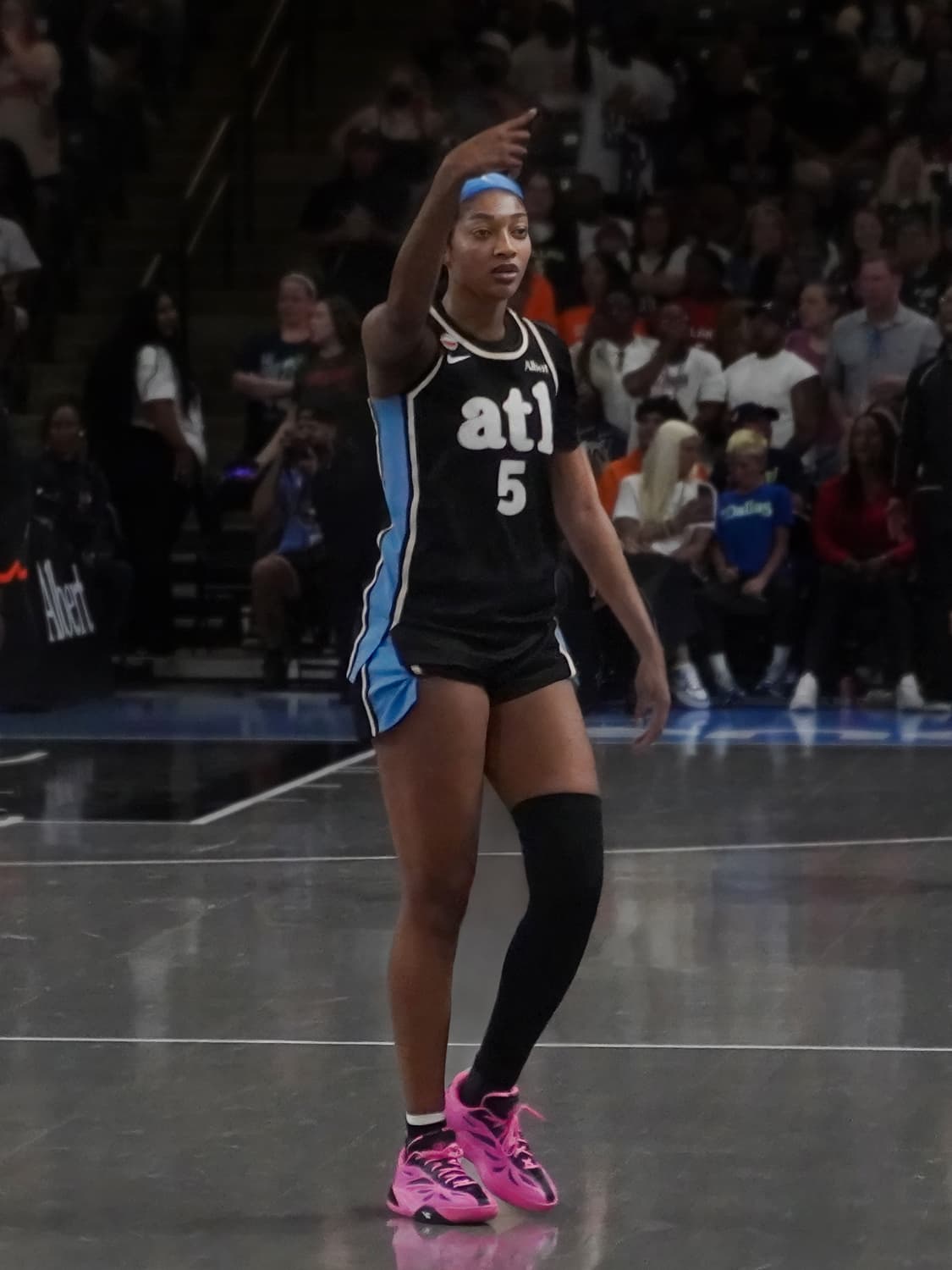
The Best Athlete in Atlanta Plays in College Park
Angel Reese posted a stat line Thursday night that has never existed in WNBA history. The four franchises that think they own this city didn't come close to matching it.
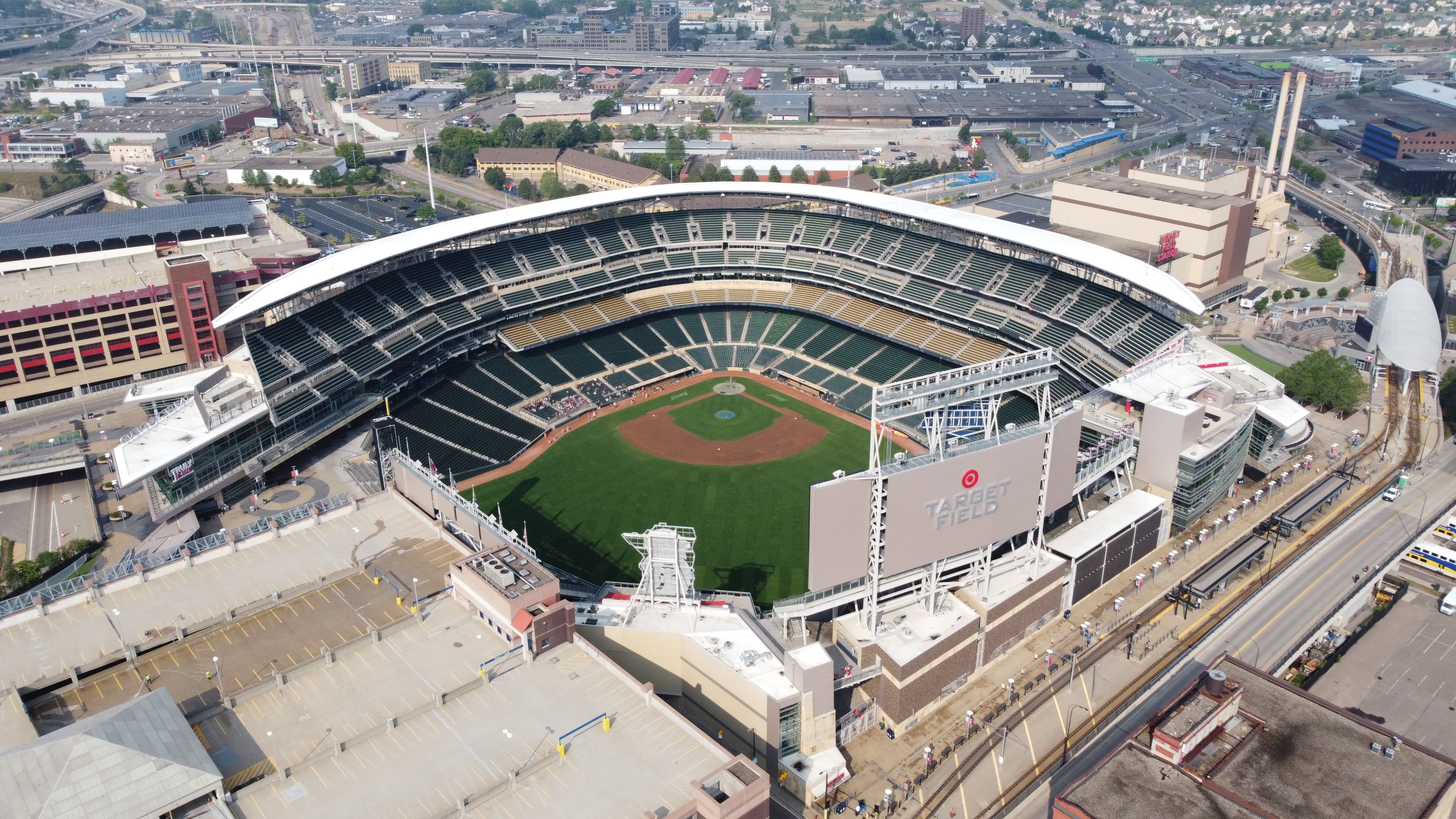
Neither Team Won in Minnesota
Two Atlanta teams played in Minnesota on the same night. The Braves were swept, United scraped a draw, and nobody flew home with what they wanted.
.jpg&w=3840&q=75)
Dex Ponce: 'Powerhouse' Is Doing a Lot of Heavy Lifting
Atlanta Magazine says Atlanta became a sports powerhouse thirty years after the Olympics. The actual teams beg to differ.