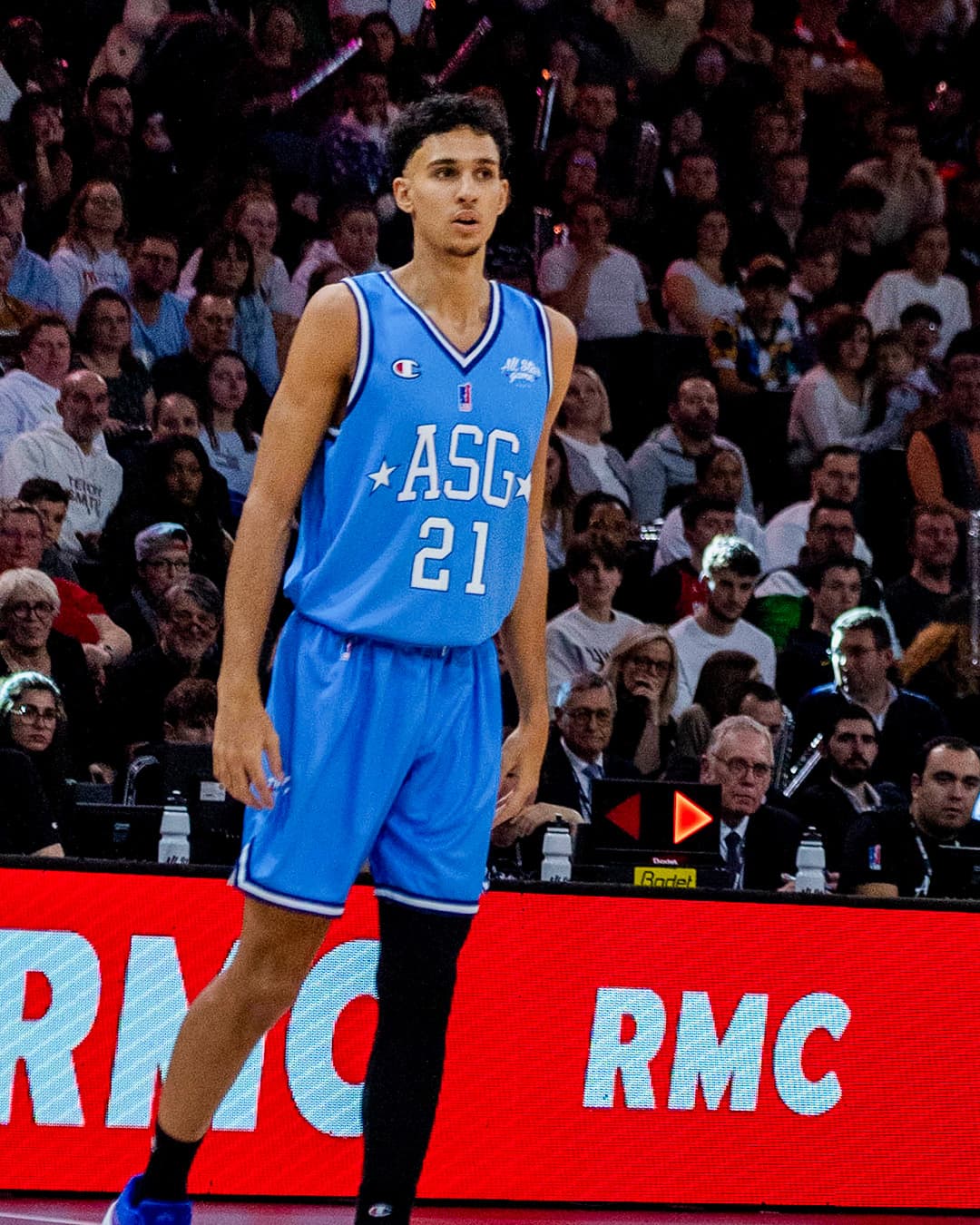
 Photo by Yoann210, CC BY 4.0, via Wikimedia Commons
The Hawks' number one overall pick played twenty-two minutes in a six-game playoff series.
Twenty-two minutes. Sixteen of those came in garbage time during a 51-point blowout. The other six were scattered across two games like an afterthought.
I've spent more time in the Chick-fil-A drive-through.
So when Hollinger writes that trading Risacher "can't be ruled out," I don't think he's breaking news. I think he's describing a decision this front office already made the moment they stopped putting Risacher on the floor.
The case is ugly
Rookie year: 12.6 points, All-Rookie First Team, second in Rookie of the Year voting. That was real.
Sophomore year: 9.6 points in 22.4 minutes. Lost his starting job after the All-Star break. Got a DNP-CD on April 8. Fell out of the rotation entirely. His isolation defense dropped from the 52nd percentile to the 23rd. He didn't stagnate. He went backward.
And here's the part that should scare Risacher's agent: the Hawks went 20-6 after they benched him. They won the Southeast Division. They had their best season in a decade. The roster got better when the number one pick stopped playing.
That's not a coincidence. That's a verdict.
But here's the 35%
He's twenty-one years old. He's got two years left on a rookie-scale deal. His shooting splits — 45.5% from the field, 36.8% from three — are actually better than his rookie numbers from deep. The scoring drop is a minutes problem, not a skill problem.
And the Fultz precedent should haunt every front office considering this move. Philly traded the number one pick for Jonathan Simmons and late picks. If the best deal on the table is Risacher plus sweeteners for Nicolas Claxton, the Hawks are making the same mistake.
You don't trade a number one pick at his lowest value. That's not decisiveness. That's panic.
But this front office doesn't do sentiment
I called the Trae trade the best move in Hawks history. I'm at 62% on that now after watching the playoff case collapse, but the regular-season logic was airtight. This is the same front office that moved a four-time All-Star because the team played better without his ball dominance.
Now they've got a number one pick and the team plays better without him too.
Jalen Johnson is a first-time All-Star. NAW won Most Improved Player at 20.8 points per game. Kuminga came over at the deadline. Dyson Daniels owns the perimeter. That's four wings ahead of Risacher at his own position. The depth chart doesn't lie.
So the question isn't whether Risacher is talented. The question is whether this front office — the one that traded Trae, the one I said was visionary — is going to apply the same ruthless logic to a twenty-one-year-old they drafted number one overall twenty-two months ago.
I'm 65% sure the answer is yes. And I'm 65% sure it should be.
The 35% is real though. Andrew Wiggins got traded before he played a game for Cleveland and eventually won a championship with the Warriors. Sometimes the best thing for a number one pick is a new zip code. But Wiggins fetched Kevin Love — an All-Star. If the Hawks can get an All-Star caliber return, or package Risacher into a deal for the point guard they desperately need, then this is the Trae trade logic applied consistently.
If they trade him for Claxton and a prayer? That's the Fultz trade. And I'll be the first one to say it.
I'm not piling on the kid. Risacher walked into a roster that was rebuilding around him and then rebuilt around someone else. That's not his fault. But it is his reality.
Bold or foolish? Ask me in October.
Bookmark this.
The Tilt
Trading Risacher isn't giving up on a player — it's the same unsentimental logic that made the Trae trade work in the regular season.
— Dex Ponce
What's your take?
Keep Reading
Everybody Kept Their Old Job
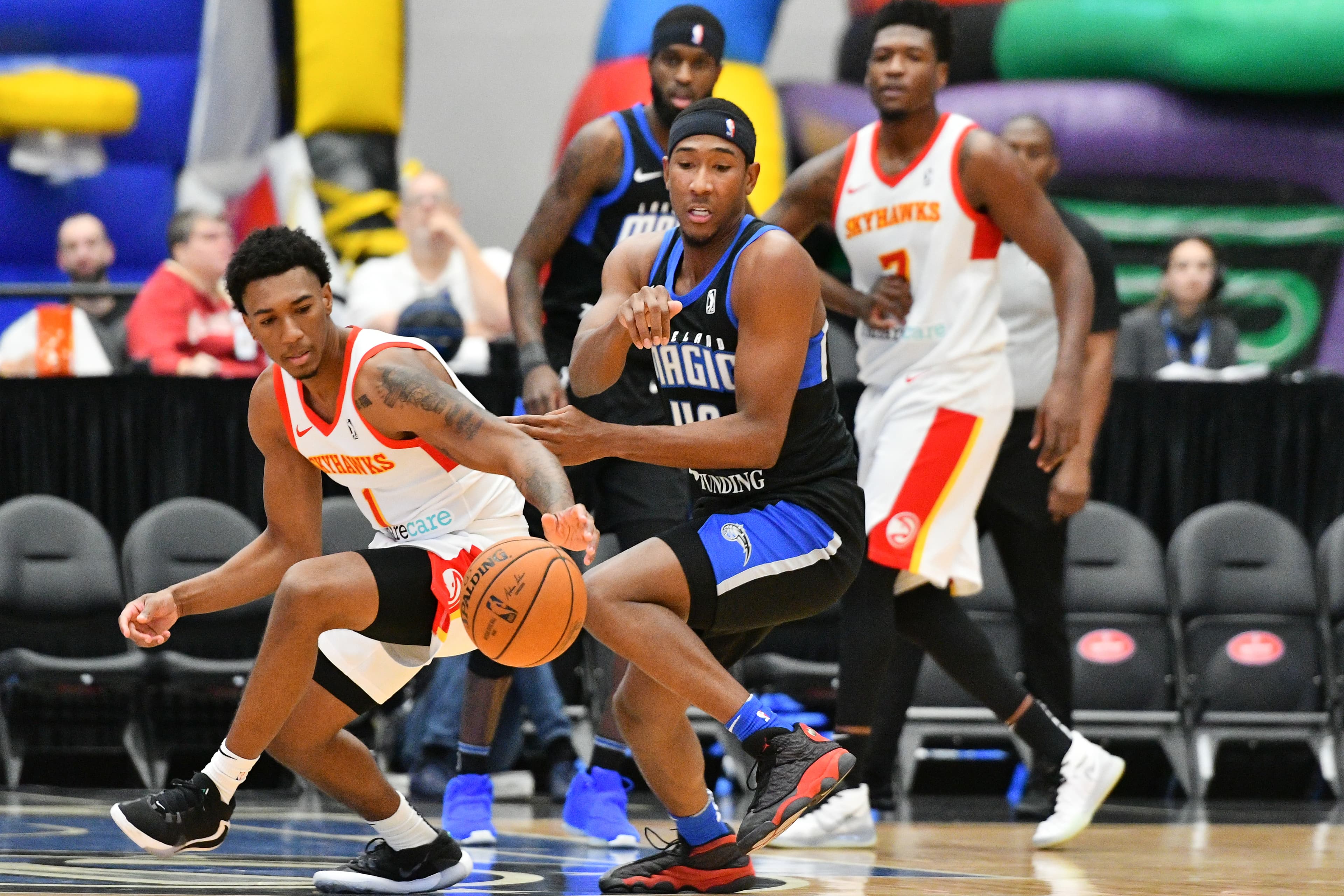
The Hawks handed the College Park Skyhawks a new general manager, a new head coach and a first-ever associate head coach on Wednesday, and none of the three gave up the job they already had in Atlanta. Two of them used to play there.
Nobody Else in the Sentence
Yesterday I asked whether anyone would ever describe this Hawks team without naming another franchise to finish the sentence. It took one night, and the answer came from a player who has not practiced here yet, in a gym in Quebec City, in nouns nobody writing previews has access to.
Built Against Somebody
The national previews have landed and Atlanta's sentence for the season is that the Hawks built an anti-Knicks roster. It is meant as a compliment. It is also one more year of being described in relation to somebody else.