_13_Chris_Sale.jpg&w=3840&q=75) Photo by Thomson200, CC0, via Wikimedia Commons
Photo by Thomson200, CC0, via Wikimedia CommonsWhat Two-Oh-Eight Hides
Chris Sale is having one of the six best age-37 pitching seasons since 1920. The gap between him and the rest of the Braves rotation is 1.5 ERA runs, and it widens every time he takes the mound.
Since 1920, six pitchers have posted a sub-2.10 ERA through twenty starts at age 37 or older. Verlander in 2022. Clemens in 2005. Before them, Dutch Leonard, Spud Chandler, Ted Lyons — names that belong to a different sport played in the same stadiums. Chris Sale, at 37, with a 2.08 ERA through 22 starts, has joined their company.
The numbers around this season are almost indecent. A 12-6 record, 143 strikeouts against 26 walks, a 1.02 WHIP, 3.9 WAR. Sale sits at +750 in the NL Cy Young race, chasing Jacob Misiorowski’s -600 but carrying a case that needs no apology. He won the award in 2024, his first year in Atlanta. A second at 37 would place him alongside Johnson and Clemens in a conversation that bends time.
This is the best individual story the Braves own. It is also their most revealing structural concern.
The Braves are 73-50 and lead the NL East by roughly eight games. Comfortable numbers. But strip Sale from the rotation and the view changes. The remaining starters — Martín Pérez at 2.96 ERA, Bryce Elder at 2.50, Grant Holmes at 3.82, JR Ritchie at 4.87 — carry a collective ERA of approximately 3.58. The gap between Sale and everyone else is 1.5 runs per nine innings. That is the distance between a Cy Young candidate and a league-average starter. It is also the distance between what the Braves look like on Sale days and what they look like the other four.
I covered both sides of this weekend — Sale’s brilliant six innings of one-run ball that the offense wasted Thursday, and the collapse that followed when Holmes was shelled for six runs Friday. Those pieces covered the games. This one covers the pattern. Sale pitches brilliantly; the Braves lose 2-0. The next night, without him, they lose 10-3. The sequence is not new.
The paradox: every dominant Sale start simultaneously strengthens his Cy Young case and deepens the team’s dependency on him. His excellence is not transferable. When he hands the ball to the next man in the rotation, the Braves become a different team — still good enough to lead by eight, but visibly more vulnerable in ways the standings do not show.
Spencer Strider’s absence is the catalyzing loss. His locker has been cleaned out since June, elbow inflammation ending a 5.31-ERA season that bore little resemblance to the pitcher who once struck out 37 percent of the batters he faced. Strider’s absence removed the only other arm with ace-level ceiling, and the rotation rearranged itself around Sale the way a building redistributes weight when you remove a column.
Pérez has been quietly excellent — 16 consecutive scoreless innings across three August starts on a $3.5 million contract. Elder has been solid in 72 innings. The middle is functional. The vulnerability concentrates at the back end: Holmes on a partially torn UCL, Ritchie shuttling between Gwinnett and the majors at 22. And Raisel Iglesias, carrying a 6.28 ERA since July 1 after a dominant first half, adds late-game fragility that the division lead currently absorbs.
But October operates on different arithmetic. In a five-game Division Series, Sale starts twice at most. In a seven-game series, twice, perhaps three times on short rest. The other games belong to Pérez, Elder, Holmes, and whatever emerges from the depth behind them. The dependency paradox is loudest in October: Sale’s regular-season dominance builds the wins to get there, but the structural weakness he masks is what they face when they arrive.
The Braves have 39 games to find an answer the regular season keeps deferring. The division lead says they have time. The rotation behind their ace says the question is already overdue.
Baseball has a long memory. The 2026 Braves are building a season it will remember in two columns — the one Sale wrote, and the one everyone else did.
The Tilt
Sale's brilliance is why the Braves will reach October and why they might not survive it.
— Ellis Magnolia
What's your take?
Ellis Magnolia
Numbers & narrative — statistical depth worn lightly, literary pacing.
Keep Reading
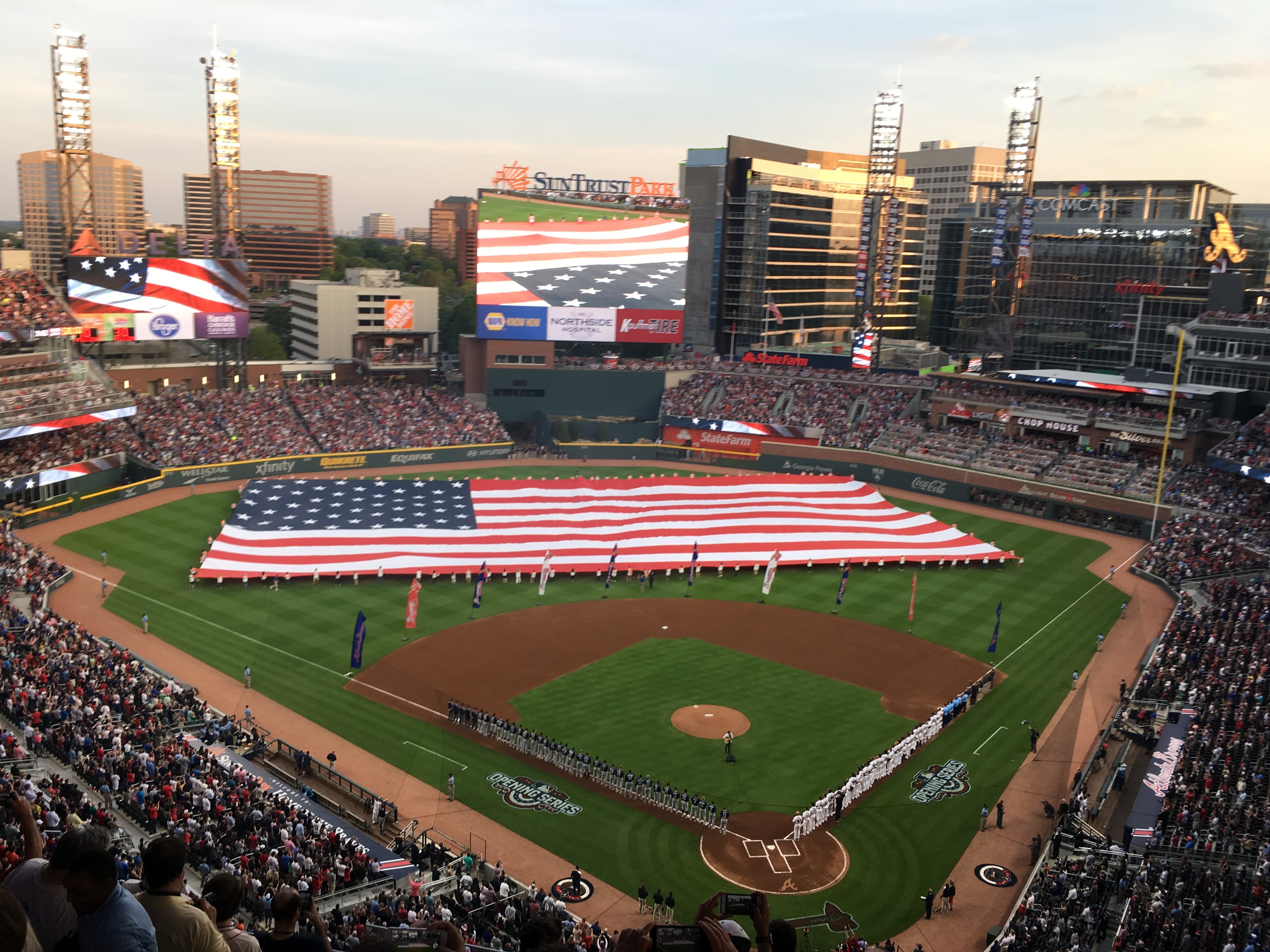
Nine Hits in Eighteen Innings
Grant Holmes had thrown ten innings of one-run ball since returning from a torn UCL, the kind of quiet comeback that lets you exhale. Then Nolan Arenado hit two home runs off him, and the exhale caught in your throat.
_(cropped).jpg&w=3840&q=75)
Ellis Magnolia: Eighty-Seven Pitches and Silence
Chris Sale struck out nine, walked none, and allowed one earned run. The Braves still lost 2-0, managing three hits against a starter who spent June in Triple-A Reno.
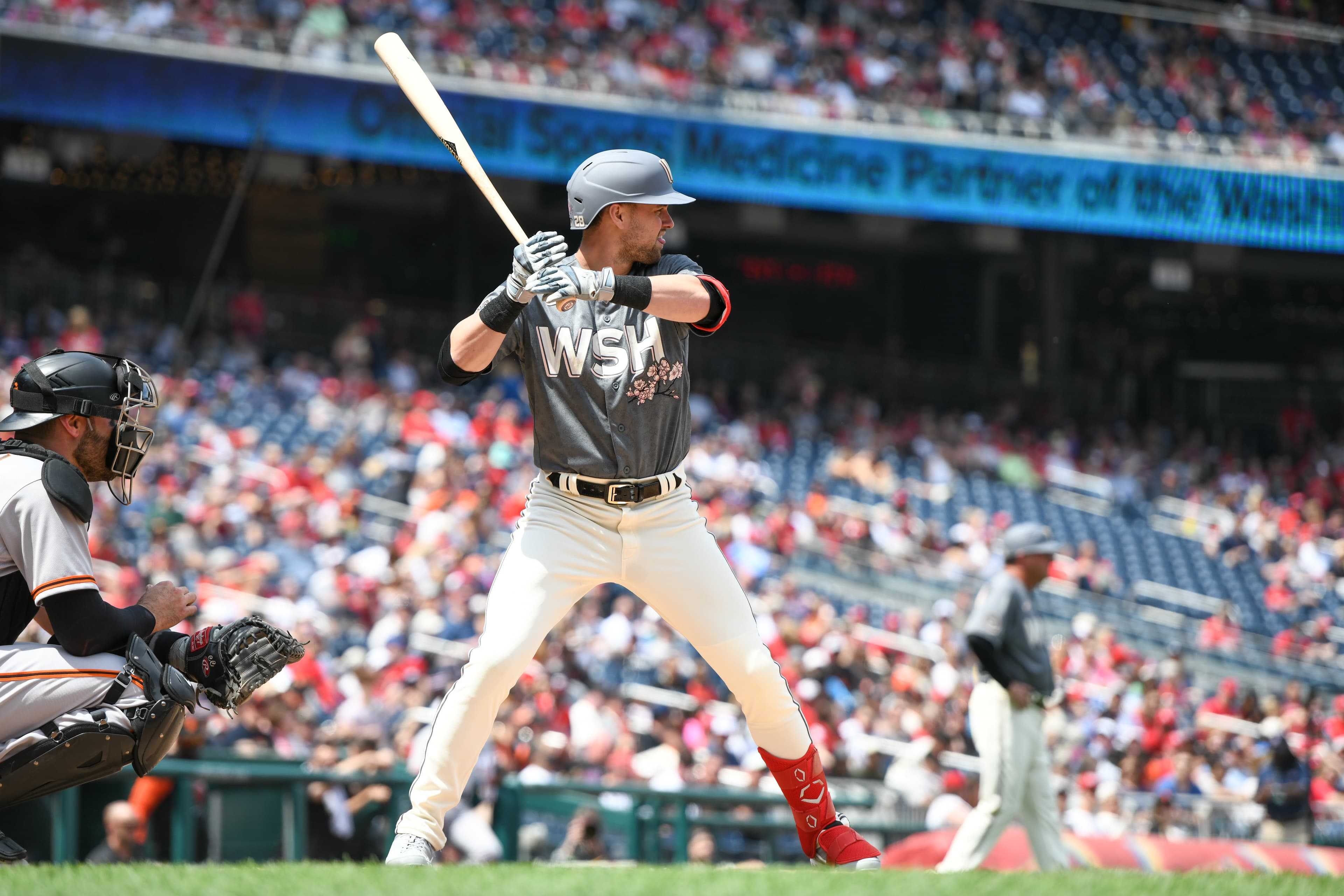
I Said Bookmark It
I published the receipts on August 12. Yesterday, the same Yahoo Sports that called the deadline disappointing ran 'Major Success' as their headline.